

Gum Disease Treatment – Bedford, TX
Relief for Bleeding, Swollen Gums
Many people are living with some form of gum disease right now and don’t even realize it. As a result, many of them could be in danger of losing some or even all of their teeth in the near future. Whether it’s mild gingivitis or severe periodontitis, Drs. Prashantkumar and Julyat Gajera are here to treat the infection and give your gums a chance to heal – thus keeping the rest of your smile safe! Call us today to schedule an appointment for gum disease treatment in Bedford, TX if you’ve noticed that your gums look inflamed or have started to bleed easily.
Why Choose Omega Dental of Bedford for Gum Disease Treatment?
- Excellent Patient Care
- Easy & Flexible Scheduling
- Expert Dentist, Friendly Team
What Is Gum Disease?
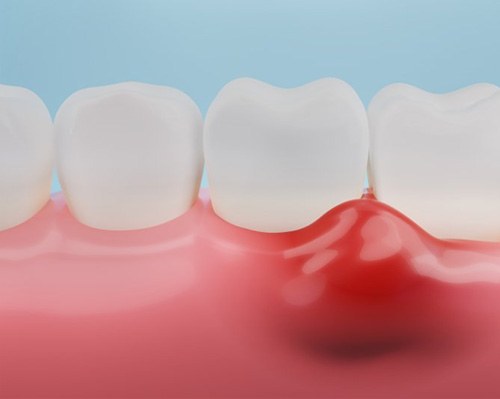
Since nearly half of American adults older than thirty have some form of gum disease (also called periodontal disease), it is an unfortunately common problem. To make matters worse, these illnesses become more likely with age, and men, those living below the federal poverty level, people without a high school diploma, and smokers are also more likely to suffer from gum disease.
Gum disease begins as gingivitis, or inflammation of the gums, which can usually be addressed with improved oral hygiene. If allowed to progress, however, it will become periodontitis that causes permanent damage and must be treated by a dental professional to prevent serious consequences like tooth loss. Gum disease can become more likely due to factors like poor oral hygiene, tobacco use, genetics, conditions that can affect the immune system like diabetes, certain medications, and pregnancy.
Symptoms of Gum Disease

Depending on how far it has progressed, gum disease can result in a variety of symptoms. Gingivitis can be caused by:
- Persistent bad breath (halitosis)
- Swollen or red gums
- The gums bleeding when you brush or floss
- Tender gums
- Gum recession
Periodontitis can lead to symptoms like:
- Painful chewing
- Permanent teeth coming loose
- Dental sensitivity
- Alignment changes
- Changes in the way dental restorations fit
- Tooth loss
How Do We Treat Gum Disease?

Before treating your gum disease, we will evaluate your situation and develop a customized treatment plan. We may recommend treatments like:
Scaling & Root Planing

The same plaque and tartar that lead to cavities can also contribute to gum disease. A regular cleaning may not be enough to get rid of all the harmful bacteria that have accumulated in your mouth. In these cases, we’ll have to perform a deep cleaning to remove plaque and tartar from the roots of the teeth. This is the process known as scaling. It is normally followed up by root planing, which simply means smoothing out the root surfaces so the gums can reattach more easily.
Do I Need Scaling & Root Planing?
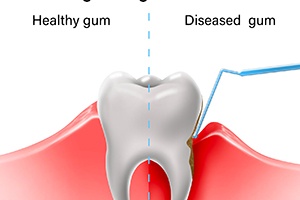
Early on in gum disease, the adverse effects may be reversed through simply adjusting some of your habits. For instance, brushing twice and flossing once a day and coming to our office regularly for cleanings can prevent the mild infection from getting worse. However, if any of the following occurs after you’ve tried your best at home, you may need scaling and root planing:
- Red, inflamed, bleeding, or receding gums.
- Clear plaque buildup around your gumline.
- Chronic bad breath.
The Process of Scaling & Root Planing
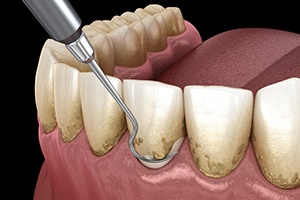
At first glance, scaling looks much like a routine dental cleaning; however, this treatment goes deeper. As the gum infection worsens, small pockets of trapped plaque form below the gumline, usually on the roots of teeth, and scaling allows us to clear out those hidden areas. Then, once we’ve deep cleaned these teeth, we then make the rough roots nice and slick, which makes it difficult for plaque to attach again. This preventive step can protect you from reinfection in the future.
Aftercare Tips for Scaling & Root Planing

Following scaling and root planing, your teeth and gums may feel sensitive as you heal. Full recovery may take a few weeks, so to reduce your sensitivity or discomfort, you should do the following:
- Have a soft food diet for the first 48 hours after the procedure.
- Stay away from spicy, sugary or acidic, hot, or cold foods and beverages.
- Rinse your mouth with warm salt water.
- Carefully and gently brush and floss your teeth.
If you run into any issues or potential complications, don’t hesitate to reach out to us with questions.
Antibiotic Therapy

Gum disease often causes pockets to form between your teeth and gums. Bacteria like to hide in these pockets, and keeping them clean with traditional brushing and flossing can be very challenging. As a result, we may need to take additional steps to reduce the bacteria presence in these pockets so that the gums can heal properly. Hence, after scaling and root planing, we might also prescribe a form of antibiotic therapy, which continues to fight against the infection for several weeks.
Gum Disease Treatment FAQs
How common is gum disease?
Gum disease is one of the most common health problems in America as well as the world as a whole. The Centers for Disease Control estimates that about 40% of adults older than thirty have some form of gum disease and that about 60% of adults who are sixty-five or older have periodontitis, an advanced soft tissue infection. Men are more likely to experience gum disease, and the problem is associated with health issues like diabetes, tobacco use, poor oral hygiene, and poor nutrition.
Will gum disease go away on its own?
Gum disease that is detected while it is still in its early stage called gingivitis can usually be reversed with improved oral hygiene habits, so it’s important to keep up with regular dental appointments so the team at Omega Dental of Bedford can monitor the health of your mouth. However, gum disease that has progressed to the advanced stage called periodontitis will cause permanent damage such as gum recession, jawbone erosion, and tooth loss, and it must be managed with regular periodontal treatments. Some people are more susceptible to gum disease due to underlying conditions like diabetes, so it’s especially important for these individuals to make sure they practice excellent oral health habits.
Are there any risk factors associated with gum disease?
Certain health conditions and lifestyle habits can make you more vulnerable to gum disease. These include:
- Age: Older people tend to experience more gum disease, in part due to the accumulated effects of decades of poor oral habits like smoking, excessive alcohol use, and consuming too much sugar.
- Tobacco use: Chewing, smoking, or vaping tobacco will expose your gums to noxious chemicals that make it harder for them to heal, resolve inflammation, and fight infection.
- Genetics: Those with a family history of gum disease may be more likely to develop it.
- Stress: Chronic stress can lead to more inflammation throughout the body.
- Pregnancy: Hormonal changes can be stressful for the body and make inflammation more likely.
- Diabetes: This condition makes it harder for the body to regulate its blood sugar and fight inflammation, which can make a person more susceptible to gum disease.
- Certain medications: Some heart medicines, antidepressants, and oral contraceptives can increase the risk of gum disease.
Can I live a normal life with gum disease?
You can live a normal life after being diagnosed with gum disease if you practice excellent oral hygiene and take care to manage your symptoms. For example, gum disease can cause tooth loss, so it’s important to have your lost teeth replaced as soon as possible to reduce your risk of dental injuries and infections.