
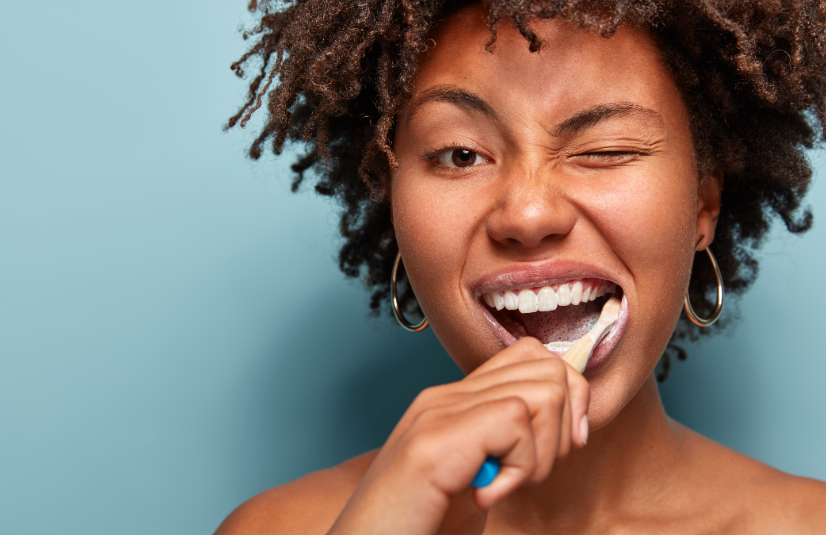
Keeping your teeth clean is one of the easiest ways to protect your oral health—but even diligent brushers and flossers can make mistakes that lead to cavities, gum irritation, or enamel damage. Understanding what you might be doing wrong at home is the first step toward a healthier, longer-lasting smile.
Here are some of the most common teeth-cleaning errors and tips for avoiding them.
Brushing Too Hard
It might feel like scrubbing harder will clean your teeth better, but over-brushing can actually wear down enamel and irritate your gums. Instead, use gentle, circular motions with a soft-bristled toothbrush. Aim for two minutes twice a day, focusing on all surfaces of your teeth without applying excessive pressure.
Using the Wrong Toothbrush or Toothpaste
Not all toothbrushes and toothpastes are created equal. Hard-bristled brushes can damage enamel, while toothpaste with insufficient fluoride may not protect against cavities. Choose a soft-bristled brush and a fluoride toothpaste that meets your dental needs. Electric toothbrushes can also provide more consistent cleaning when used properly.
Skipping Flossing
Brushing alone only cleans about 60% of your tooth surfaces. Flossing daily removes plaque and food particles from between teeth where brushes can’t reach. If traditional floss is difficult, consider floss picks, interdental brushes, or water flossers. Make sure to slide gently between teeth rather than snapping the floss down, which can damage gums.
Rushing Your Routine
Many people spend less than the recommended two minutes brushing. Short routines leave plaque behind and can contribute to cavities or gum disease. Consider setting a timer or listening to a two-minute song while brushing to make sure you cover every tooth thoroughly.
Ignoring the Tongue and Cheeks
Bacteria accumulate not just on teeth but also on the tongue, cheeks, and roof of the mouth. Using a tongue scraper or brushing your tongue gently can help reduce bad breath and bacterial buildup.
Brushing Right After Eating
Brushing immediately after consuming acidic foods or drinks can weaken enamel. Wait at least 30 minutes to allow your saliva to neutralize acids before brushing. This simple adjustment can help prevent enamel erosion and maintain stronger teeth.
Not Replacing Your Toothbrush Regularly
Old, worn-out toothbrushes lose effectiveness and can harbor bacteria. Replace your toothbrush every three months or sooner if the bristles are frayed. Electric toothbrush heads should also be swapped on the same schedule.
Skipping Regular Dental Visits
Even with perfect at-home care, professional cleanings are crucial. Dentists and hygienists can remove hardened plaque (tartar) that home care can’t, and they can spot early signs of cavities, gum disease, or other issues. Regular checkups complement your at-home routine and help maintain overall oral health.
Proper at-home care is more than just brushing and flossing—it’s about doing both correctly and consistently. Small adjustments to your routine can make a big difference in preventing dental problems and keeping your smile healthy.
About the Practice
At Omega Dental, our team is dedicated to helping patients maintain strong, healthy teeth through both preventive care and professional guidance. Dr. Prashantkumar Gajera and Dr. Julyat Gajera proudly serve the Bedford community. Whether you’re a routine dental-goer or haven’t been by in awhile, we’re here for you. We provide comprehensive cleanings, personalized oral health advice, and ongoing support to ensure your at-home routine is effective.
Call us at (817) 518-6915 or schedule your appointment online.